
Security challenges in manufacturing and how to manage them
The physical security challenges manufacturers actually face — theft, sabotage, trespassing and environmental hazards — and the measures that mitigate each one.
By Knighthood Team
Published 7 March 2023
Updated 24 August 2026
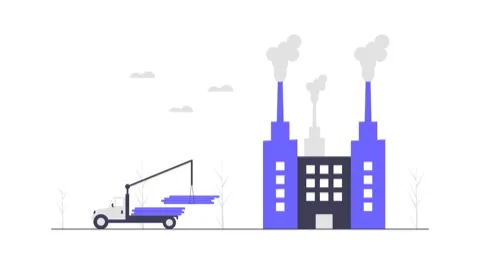
Manufacturing plants carry a different security profile than most businesses: large premises, round-the-clock shifts, valuable raw material and finished goods, contractors coming and going, and processes that can be hazardous when something goes wrong. The consequences of a security failure are not just financial — they reach production, delivery and the surrounding community.
This guide covers the four physical security challenges manufacturers most commonly face and how to mitigate each.
Theft
Theft of raw materials, finished products or equipment can happen at any stage — in the supply chain, in transit, or on the factory floor. It is the most common and most expensive physical risk in manufacturing.
Mitigation:
- Access control on gates, stores and process areas so only authorised people reach goods
- CCTV at loading docks, storage and dispatch
- GPS tracking on vehicles and high-value equipment in transit
- Background checks on employees and contractors before they get site access
Theft is rarely a stranger at the gate. It is usually someone with authorised access taking something in the wrong quantity, so access control and verification matter more than perimeter fencing.
Sabotage
Sabotage is intentional damage — by an employee, a contractor or a third party — to equipment, materials or products. It disrupts production, delays delivery and damages your reputation with customers.
Mitigation:
- Clear security protocols for process areas and critical equipment
- Regular maintenance and inspections so tampering is noticed early
- Employee training and a reporting culture, so unusual behaviour is surfaced rather than ignored
The preventive layer is the same as for theft: know who is inside your facility and why.
Trespassing
Unauthorised people entering the facility or its restricted areas create safety risks to employees, risk damage to equipment, and can compromise confidential production information.
Mitigation:
- Perimeter fencing and security gates
- Motion detectors and alarm systems around sensitive zones
- Guarded entry points and a visitor management process that accounts for everyone on site
A facility that cannot account for who is on the premises cannot protect the premises.
Environmental hazards
Manufacturing processes can create chemical spills, fires, explosions and emissions. These are not deliberate security threats, but they are security and safety failures that harm employees, nearby communities and the environment.
Mitigation:
- Fire suppression systems and regular testing
- Hazardous-material storage and handling protocols
- Emergency response plans, with staff trained to execute them
The bottom line
Manufacturing security is the same discipline as everywhere else, applied to a bigger and busier site: know your risks, control access, monitor the premises, and keep people trained. The security risk assessment guide walks through the method, the manufacturing industry page covers the operating context, and the security agency selection guide shows how to pick a partner for the deployment.
If you are budgeting security for a plant or a production network, send us the sites and the loss pattern, and we will confirm the right mix of guarding, access control and technology for your facility.
Send the requirement
If this post points at a decision you are close to making, send us the scope — sites, roles and shifts — and we will confirm the licence, supervision and commercial position for your situation.
Discuss your requirement