
Security guard types
A comparison of the main security guard types — residential, business, personal, patrol, static, plainclothes, armed and event — and which fits which situation.
By Knighthood Team
Published 13 September 2022
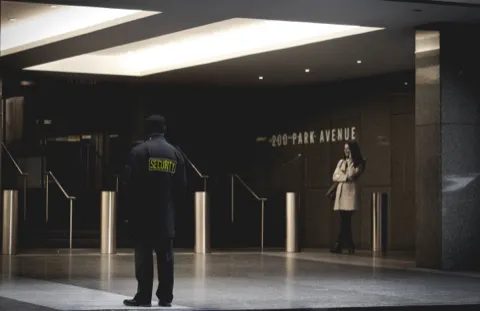
Security guards come in a wide range of types with different duties and training. Knowing your options is the first step in choosing the right guard for the position.
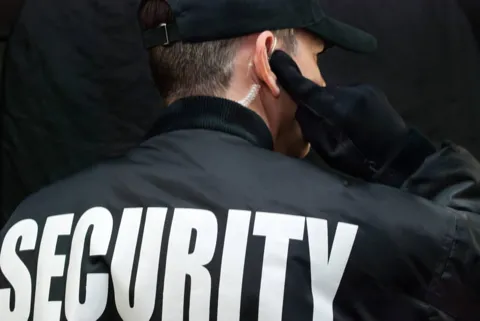
Residential security guards
Residential guards protect a single residence or an entire neighbourhood. Those covering several homes often work in gated communities and are responsible for both public spaces and private households. They are typically the first to respond when a resident has a problem, and they watch for unusual activity. They may patrol or work at a gate, and are usually unarmed.
Business security guards
Business guards protect a business, and the right type depends on the business. Some focus on a particular kind of establishment — a bar, a store or a warehouse. Corporate guards protect a company’s headquarters and may cover a large region, including the safety of senior executives. Warehouse guards monitor security concerns and control who enters the facility.
Personal security guards
A personal guard (bodyguard) is typically assigned to celebrities and athletes. The job is demanding because the guard must protect the client across a wide range of situations and rarely does the same task twice. Personal guards undergo extensive training and sometimes work in teams. Because of that training, the cost is significantly higher than other guard types.
Patrol security guards
Patrol guards move around their assigned area rather than staying fixed. Coverage can range from a small radius to a large community. Because patrol routes are repeated across shifts, guards must stay alert — predictable patterns can be exploited. Patrol guards carry significant responsibility and must watch for a wide range of issues.
Static security guards
A static guard stays in one place for the day, focused on what must be examined and handled. Guards are stationed at key locations across the premises, often positioned so two guards can see each other. A static guard may also monitor security camera feeds continuously, watching for anomalies.
Plainclothes security guards
Plainclothes guards are used where a uniform would be out of place or unsettling — for example, at a wedding or special event, or in high-end stores that do not want to project an officer-in-uniform image. Because people behave more naturally without a uniform in view, plainclothes guards can observe behaviour that a uniformed guard would change.
Armed security guards
An armed guard carries a weapon. Armed guards are highly trained — they must complete firearm training on top of officer training, and the stakes are higher whenever weapons are present. The cost is higher because of the additional training. Armed guards are used where there is a significant likelihood of theft or where a priceless object is being defended. Some businesses in lower-risk locations choose not to hire armed guards because they consider the presence of a weapon an added risk.
Event security guards
Event security guards manage crowd control at large events — sporting events, fairs and concerts. They keep people moving and in the right places. Event officers typically work for larger security companies and cover a wide range of events, filling gaps between events with other security work.
What this does not cover
This comparison covers the types of guard available. It does not cover the legal authority to deploy guards (a PSARA licence, granted state by state) or the supervision and reporting model that makes a vendor accountable — those are separate decisions covered in the vendor-selection and due-diligence resources.
Send the requirement
If this post points at a decision you are close to making, send us the scope — sites, roles and shifts — and we will confirm the licence, supervision and commercial position for your situation.
Discuss your requirement